

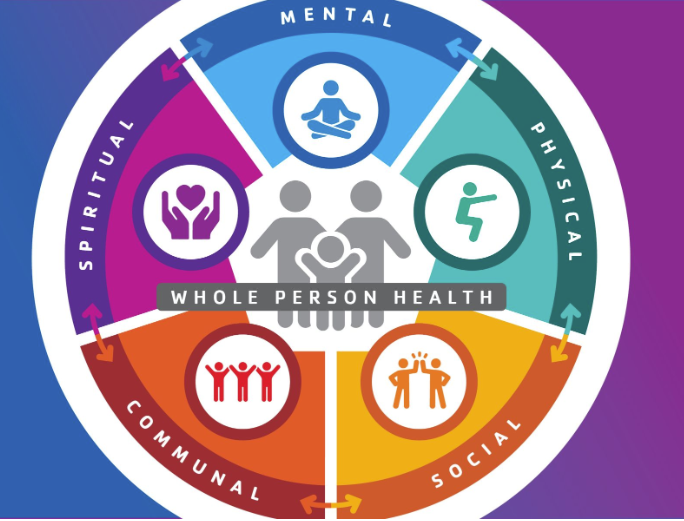
Mental healthcare is often described in terms of symptoms: anxiety, low mood, irritability, trouble sleeping, or difficulty concentrating. Those symptoms matter, but they don’t tell the whole story. A person’s emotional well-being can also be influenced by physical health, relationships, work, family responsibilities, culture, access to resources, past experiences, and the environment in which they live.
Whole-person mental healthcare looks at these connections. It recognizes that a diagnosis, when one is present, is only one part of a person’s experience. The goal is not simply to reduce a list of symptoms. It is to understand what is affecting the person, identify their strengths and priorities, and develop care that supports meaningful improvement in daily life.
This approach can help patients feel seen as people rather than problems to be solved. It also creates space for treatment decisions to reflect the individual’s needs, preferences, values, and goals.
Understanding Whole-Person Mental Healthcare
What “whole person” really means
Whole-person mental healthcare is an approach that considers the many factors that can affect emotional and behavioral health. Instead of focusing on a symptom in isolation, a provider may ask how that symptom fits into the person’s broader life.
For example, ongoing anxiety may be connected with workplace pressure, caregiving demands, chronic pain, poor sleep, medication effects, financial strain, past trauma, or several factors at once. Low mood may affect motivation and relationships while also making it harder to exercise, eat regularly, attend appointments, or manage another health condition. These connections can create cycles that are difficult to change without looking at the full picture.

A whole-person approach does not mean that every concern has the same cause or that one treatment will address everything. It means care begins with curiosity. Providers gather enough context to understand what may be contributing to distress and what types of support may be appropriate.
More than the absence of symptoms
Mental health is not only the absence of a mental health condition. It also includes the ability to cope with stress, maintain relationships, make decisions, participate in meaningful activities, and adapt to everyday challenges. Someone may appear to be functioning while privately feeling exhausted, disconnected, or unable to keep up. Another person may have a diagnosed condition and still experience purpose, connection, and progress with the right support.
This is why whole-person care considers both difficulties and strengths. Symptoms deserve attention, but so do protective factors such as supportive relationships, personal insight, spiritual or cultural resources, stable routines, and a willingness to ask for help. These strengths may become important parts of a treatment and recovery plan.
Person-centered, not one-size-fits-all
Two people can experience similar symptoms for very different reasons. They may also have different treatment preferences, responsibilities, barriers, and definitions of progress. A plan that works well for one person may not fit another.
Person-centered care invites the patient to participate in decisions. The provider brings clinical knowledge; the patient brings knowledge of their own life. Together, they can discuss concerns, possible approaches, expected benefits, limitations, and practical next steps. The result should be a plan that is clinically appropriate and realistic enough to follow.
The Connections That Shape Emotional Well-Being
Physical health and mental health influence each other
The mind and body are closely connected. Sleep problems can affect mood, energy, concentration, and the ability to regulate emotions. Chronic pain or illness can increase stress and limit activities that once brought enjoyment or connection. Changes in appetite, energy, or medication can sometimes resemble or intensify mental health symptoms.
At the same time, emotional distress can influence the body. Persistent stress may contribute to muscle tension, headaches, digestive discomfort, fatigue, or disrupted sleep. Depression or anxiety can make it harder to keep appointments, take medications consistently, prepare meals, or engage in movement.
Whole-person care pays attention to this two-way relationship. A behavioral health provider may ask about sleep, pain, physical symptoms, medications, substance use, activity level, and other health concerns. When appropriate, they may encourage coordination with other healthcare professionals so that important medical factors are not overlooked. Mental healthcare should complement necessary medical evaluation, not replace it.
Relationships, environment, and everyday pressures
People do not experience mental health in a vacuum. Family dynamics, grief, loneliness, discrimination, housing instability, financial stress, work demands, caregiving, and community safety can all shape emotional well-being. A person may understand what would help but still face practical barriers that make change difficult.

Acknowledging these realities is not about assigning blame. It helps create a more accurate understanding of the problem. Advice that ignores a person’s schedule, resources, culture, responsibilities, or support system may be difficult to use. Whole-person care aims to make recommendations more relevant to the life the patient is actually living.
Identity, culture, and personal values
Culture and identity can influence how distress is described, whether someone feels comfortable asking for help, and what types of support feel acceptable. Family beliefs, faith, language, gender identity, life stage, and community experiences may all affect the meaning a person gives to mental health and treatment.
Respectful care does not assume that every patient has the same priorities. It makes room for questions, listens without judgment, and considers the patient’s values when discussing options. Feeling heard can strengthen trust, and trust can make it easier to speak honestly about symptoms, concerns, and treatment preferences.
What Whole-Person Care May Look Like in Practice
A comprehensive evaluation
Whole-person care usually begins with a thoughtful, confidential evaluation. The conversation may explore current symptoms, when they began, how often they occur, and how they affect work, school, relationships, sleep, self-care, and daily responsibilities.
The provider may also ask about medical history, current medications, substance use, major life events, safety concerns, family history, prior treatment, sources of stress, and available support. These questions are not meant to reduce a person to a checklist. They help the provider understand patterns, identify risks, and consider whether another health issue could be contributing.
Patients can prepare by noting their most important concerns, recent changes, medications and supplements, previous treatments, and the goals they hope to reach. It is also appropriate to ask why a question is relevant or to request clarification before answering.
A personalized treatment plan
After an evaluation, care may include counseling, medication management, another behavioral health approach, or a combination of supports. The right plan depends on the person’s needs and clinical circumstances. Not everyone requires medication, and no single type of counseling is right for every concern.
A personalized plan may address immediate symptoms while also supporting longer-term goals. For one person, progress might mean sleeping more consistently and returning to work. For another, it may mean managing panic symptoms, rebuilding relationships, reducing substance use, or developing healthier responses to stress.
Treatment plans can change. Mental health needs may shift as symptoms improve, new stressors arise, or the patient learns more about what helps. Regular follow-up allows the provider and patient to review progress, discuss side effects or obstacles, and adjust the plan when clinically appropriate.
Shared decisions and coordinated support
Whole-person care works best as a partnership. Patients should have opportunities to describe what feels manageable, raise concerns, and understand the reasoning behind recommendations. A plan may be evidence-informed and still need adjustment to fit the person’s daily life.
Coordination may also matter when mental health concerns overlap with physical conditions or other services. With the patient’s permission and when appropriate, communication among providers can help reduce fragmented care, clarify responsibilities, and support safer decision-making. Privacy and informed consent remain essential.
At Sun Integrated Care, the evaluation process is designed to help determine whether medication management, counseling, or another treatment approach may be beneficial. The emphasis is on comprehensive, compassionate care that supports mental health, well-being, and quality of life.
Why a Whole-Person Approach Can Support Recovery
It can reveal patterns that symptoms alone may miss
When care looks beyond a single symptom, it may become easier to identify patterns. A person might notice that anxiety increases after several nights of poor sleep, that isolation deepens low mood, or that pain and stress reinforce one another. Recognizing these relationships can create more specific and practical starting points.
This does not mean every factor can be changed immediately. It means the care plan can prioritize what is most urgent, most manageable, or most likely to improve daily functioning. Small changes can build confidence and provide useful information about what to address next.
It respects that recovery is personal
Recovery is rarely a straight line. Improvement may involve fewer symptoms, but it may also mean better coping, stronger relationships, greater stability, renewed purpose, or the ability to participate in valued activities. Setbacks do not necessarily mean treatment has failed. They may signal that the plan needs review or that additional support is needed.
A whole-person approach leaves room for these individual definitions of progress. It encourages patients to notice meaningful changes and communicate openly about what is and is ot working.
Knowing when to seek professional support
Consider reaching out to a mental health professional when emotional or behavioral changes persist, feel difficult to manage, or interfere with daily life. Signs may include ongoing sadness, excessive worry, irritability, sleep disruption, social withdrawal, difficulty concentrating, loss of interest, increased substance use, or trouble meeting responsibilities.
You do not need to wait until symptoms become severe. Early support can help clarify what is happening and what options may be appropriate. If symptoms could be related to a physical condition or medication, contact an appropriate medical professional as well.
Take the next step with Sun Integrated Care
Whole-person mental healthcare begins with a simple idea: you are more than a diagnosis, a difficult season, or a list of symptoms. Your health history, relationships, responsibilities, strengths, values, and goals all matter.
If emotional or behavioral health concerns are affecting your quality of life, Sun Integrated Care can help you explore the next step. Our behavioral health providers offer confidential, comprehensive evaluations and can discuss whether counseling, medication management, or another treatment approach may be appropriate for your needs.
Call (602) 671-1700 to schedule a consultation with Sun Integrated Care in Arizona. If you or someone you know is in immediate danger, call 911 or go to the nearest emergency department. For suicidal thoughts or a mental health crisis in the United States, call or text 988 to reach the 988 Suicide & Crisis Lifeline.