

Sadness Is a Human Emotion—Depression Is More Than a Bad Day
Everyone feels sad sometimes. Disappointment, conflict, loneliness, loss, stress, or an unexpected change can leave you tearful, quiet, discouraged, or less interested in your usual routine. Sadness can be painful, but it is also a normal emotional response to experiences that matter.
Depression is different. It is not simply intense sadness, a negative attitude, or a failure to “look on the bright side.” Depression is a health condition that can affect how a person feels, thinks, sleeps, eats, connects with others, and manages daily responsibilities. Some people with depression feel deeply sad. Others describe emptiness, numbness, irritability, exhaustion, or a loss of interest in nearly everything.
Because sadness and depression can overlap, it is understandable to wonder where one ends and the other begins. Duration matters, but it is not the only consideration. Health professionals also look at the pattern, intensity, range of symptoms, level of distress, and impact on everyday functioning.
What temporary sadness often looks like
Temporary sadness usually has an identifiable trigger, although that trigger may be complicated. You may feel low after an argument, a rejection, a difficult anniversary, a setback, or news you did not expect. The emotion may come in waves, and moments of comfort, connection, laughter, or interest can still break through. As circumstances change and you have time to process what happened, sadness often becomes less intense. You may continue to miss someone or feel disappointed, but you can usually maintain at least some connection to your routines, relationships, responsibilities, and sense of hope.
This does not mean ordinary sadness is trivial. Grief, heartbreak, and major life changes can cause profound distress without automatically being a depressive disorder. Emotional pain deserves compassion regardless of whether it meets diagnostic criteria.
What depression can feel like
Depression tends to be more persistent and pervasive. According to the National Institute of Mental Health, major depression involves depressed mood or loss of interest most of the time for at least two weeks, along with symptoms that interfere with daily activities. The “two-week” guideline is useful, but it should not be treated as a test you must pass before asking for help.
A person with depression may struggle to experience pleasure, even during events they would normally enjoy. Getting out of bed, taking a shower, answering a message, preparing food, or concentrating at work may require enormous effort. Thoughts may become unusually hopeless, self-critical, or slowed down.
Depression can also appear without a single obvious cause. Biological vulnerability, stressful experiences, health conditions, medications, sleep disruption, chronic pain, hormones, substance use, and environmental pressures can all contribute. It can affect anyone, including people whose lives look successful from the outside.
Key Differences Between Temporary Sadness and Depression
No single symptom can reliably distinguish sadness from depression. The clearest picture comes from looking at several dimensions together: what triggered the feelings, how long they last, whether they lift at times, what other symptoms are present, and how daily life is affected.
Duration and pattern
Temporary sadness often changes with time, context, and support. It may intensify when you think about the triggering event and ease when you feel comforted, engaged, or distracted. Depression is more likely to remain present across different settings and to affect much of the day, nearly every day. However, a calendar cannot diagnose you. Severe symptoms, suicidal thoughts, psychosis, inability to eat or drink, or inability to care for yourself require immediate attention regardless of how recently they began. Likewise, symptoms that are milder but keep returning may still deserve professional evaluation.
Interest, pleasure, and emotional range
During sadness, you may still want connection and retain the ability to enjoy some activities. A favorite meal, a conversation with a friend, music, or time outside may offer genuine relief, even if the sadness returns later. Depression commonly involves anhedonia—the reduced ability to feel interest or pleasure. Activities can feel flat, pointless, or exhausting. You may withdraw not because you want solitude, but because you lack energy, feel like a burden, or cannot imagine that connection will help.
Emotional range may narrow. Some people do not cry or appear visibly sad; they feel numb, detached, or irritable. This is one reason depression can be missed in people who continue working, caring for others, or presenting a composed exterior.
Thoughts and self-perception
Sadness may bring painful thoughts about a particular loss or situation. Depression can affect how you see yourself, other people, and the future. You may experience disproportionate guilt, worthlessness, helplessness, or the belief that nothing will improve. Concentration and decision-making can become difficult. Reading a page, following a conversation, or choosing what to eat may feel unusually demanding. These changes are symptoms, not evidence that you have become incapable or careless.
Physical and behavioral changes
Depression affects the body as well as mood. Possible symptoms include fatigue, changes in appetite or weight, insomnia or sleeping too much, restlessness, slowed movement or speech, headaches, digestive discomfort, and other aches without a clear explanation.
Behavior may change as well. A person may stop responding to friends, miss appointments, neglect hygiene, fall behind at work or school, or rely more heavily on alcohol or other substances. When several changes occur together and interfere with everyday life, it is important to seek an assessment.
When Persistent Sadness Deserves Professional Attention
You do not need to be certain that you have depression before speaking with a health professional. An evaluation is not a commitment to medication or a particular treatment. It is an opportunity to understand what is happening and discuss options.
Consider reaching out when symptoms last two weeks or longer, keep returning, feel increasingly difficult to manage, or interfere with work, school, relationships, sleep, nutrition, self-care, or medical needs. It is also appropriate to ask for help sooner when symptoms are intense or frightening.
Signs that should not be ignored
Pay attention to persistent hopelessness, loss of interest, major changes in sleep or appetite, overwhelming guilt, severe fatigue, increasing isolation, difficulty completing basic tasks, or using substances to escape how you feel. Depression can occur alongside anxiety, trauma-related symptoms, chronic illness, or pain. It may also resemble or be worsened by thyroid disorders, anemia, infections, sleep disorders, hormonal changes, neurological conditions, or medication effects. A qualified clinician can consider mental and physical contributors rather than assuming every symptom has one cause.
Urgent warning signs
Thoughts of suicide, self-harm, or harming someone else require immediate support. So do hallucinations, severe confusion, extreme agitation, an inability to meet basic needs, or an immediate threat of violence or abuse.
In the United States, call or text 988 to reach the Suicide & Crisis Lifeline. In a life-threatening situation, call emergency services or go to the nearest emergency department. If you are outside the United States, contact your local crisis line or emergency service.
If you are worried about someone else, ask directly and calmly whether they are thinking about suicide. Listening without judgment and helping them connect with urgent support can be lifesaving. Do not leave someone alone when you believe there is immediate danger and it is safe for you to stay.
How to begin the conversation
You do not need a polished explanation. You can tell a primary care provider or mental health professional, “I have felt unlike myself, and it is affecting my daily life.” It may help to note when the symptoms began, how often they occur, what has changed in your routine, and whether you have had thoughts of death or self-harm. Bring a trusted person if that would make the appointment easier. Be honest about medications, alcohol, substances, sleep, physical symptoms, and major stressors. These details help a clinician understand the full picture and recommend safer, more personalized care.
Support, Treatment, and Small Steps Toward Feeling Better
Depression is treatable, and recovery does not depend on willpower alone. Treatment is personalized according to symptoms, preferences, medical history, safety needs, and life circumstances. It may include psychotherapy, medication, lifestyle support, treatment of contributing medical conditions, or a combination of approaches.
Psychotherapy can help people recognize unhelpful patterns, process painful experiences, rebuild activity, improve relationships, and develop coping skills. When medication is appropriate, a qualified prescriber can explain expected benefits, possible side effects, interactions, and follow-up needs. Finding the right plan may take adjustment; needing a different approach does not mean treatment has failed.
What you can do while seeking support
Small actions can provide structure while you arrange professional care. Try to maintain regular meals, hydration, medication routines, and a consistent sleep schedule. Gentle movement, time outside, or brief contact with someone you trust may help support your overall well-being. Choose goals that match your current energy. “Take a ten-minute walk” or “reply to one message” is more manageable than “get my life together.” Notice what you complete instead of measuring yourself only against what remains unfinished.
Avoid using alcohol or unprescribed drugs to manage symptoms. They may provide temporary escape while worsening sleep, mood, judgment, or treatment outcomes. If substance use has become difficult to control, share this with a clinician; support is available without judgment.
How loved ones can help
Support begins with listening. Avoid telling someone to cheer up, be grateful, or try harder. Depression is not a character flaw, and pressure can deepen shame. Instead, say, “I’m here with you,” or, “You don’t have to explain everything, but I want to help.” Offer specific support, such as preparing a meal, taking a walk together, helping schedule an appointment, or providing transportation. Continue checking in even if the person has difficulty responding.
You cannot take full responsibility for another person’s recovery, but your steady presence can make seeking care feel more possible. Encourage professional help when symptoms persist, worsen, or affect safety.
A whole-person approach at Sun Integrated Care
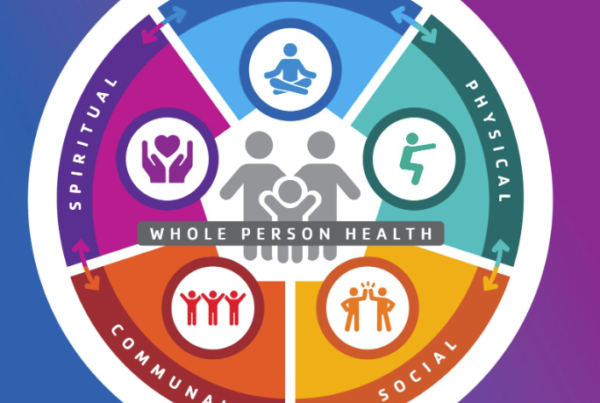
Mood does not exist separately from the rest of your health. Sleep, pain, medications, chronic conditions, relationships, work, financial stress, nutrition, and daily routines can all influence emotional well-being. At Sun Integrated Care, whole-person care brings these factors into the same conversation. The goal is to understand the person behind the symptoms and build a coordinated, realistic plan – not simply apply a label.
If you have been asking yourself whether this is “just sadness,” you do not have to answer that question alone. Reaching out for an assessment is not overreacting. It is a practical step toward clarity, support, and recovery.