

Understanding Social Withdrawal and Why It Is Not the Same as Healthy Solitude
Everyone needs time alone. After a demanding week, a crowded event, or an emotionally intense conversation, solitude can help the nervous system settle. It can create space to rest, reflect, focus, or reconnect with personal interests. For introverts in particular, time alone may be restorative rather than distressing.
Social withdrawal is different. It describes a pattern of pulling away from relationships, activities, or responsibilities, often because connection feels difficult, exhausting, unsafe, or pointless. A person may stop answering messages, repeatedly cancel plans, avoid coworkers, spend most of the day in one room, or lose interest in people and activities they once enjoyed. The change may be gradual enough that neither the individual nor the people around them immediately recognize it.
The most useful question is not simply, “How much time am I spending alone?” It is, “Is this choice helping me recover, or is it making my world smaller?”
Healthy alone time versus concerning withdrawal
Healthy solitude is usually intentional, flexible, and restorative. You choose it, enjoy or benefit from it, and can reconnect when you want to. Social withdrawal is more likely to feel driven by fear, low mood, shame, irritability, fatigue, pain, or emotional numbness. It may bring short-term relief–no difficult conversations, no social pressure–but over time it can leave you feeling lonelier, more anxious, or less capable.
Context also matters. Someone may temporarily retreat while grieving, recovering from illness, adjusting to a major change, or managing sensory overload. A few quiet days do not automatically indicate a mental health condition. Concern grows when withdrawal represents a clear change from the person’s usual behavior, persists, causes distress, or interferes with work, school, health care, relationships, or daily responsibilities.

Social isolation and loneliness are related but not identical. Social isolation refers to having limited contact, relationships, or support. Loneliness is the subjective feeling that your desired connection is missing. A person can live alone and feel content, or be surrounded by people and feel profoundly disconnected. According to the Centers for Disease Control and Prevention (CDC), both social isolation and loneliness can affect mental and physical health.
What Can Cause Someone to Withdraw From Other People?
Social withdrawal is not a diagnosis by itself. It is a behavior that can arise from many interacting biological, psychological, and social factors. Understanding what is driving the pattern is essential because the right support for depression may differ from the right support for chronic pain, social anxiety, burnout, grief, medication side effects, or an unsafe relationship.
Depression and loss of interest
Depression can reduce energy, motivation, concentration, and the ability to experience pleasure–a symptom called anhedonia. Messages may feel overwhelming, conversation may require more energy than a person has, and invitations may trigger guilt because they expect to “bring everyone down.” The National Institute of Mental Health (NIMH) includes becoming withdrawn or detached and isolating from friends and family among possible signs of depression.
Withdrawal can then reinforce the illness. Avoiding people may reduce immediate pressure, but it can also remove emotional support, routine, movement, enjoyable experiences, and opportunities to challenge hopeless thoughts.
Anxiety, fear, and avoidance
With social anxiety, a person may fear being judged, embarrassed, rejected, or closely observed. Avoidance can feel protective: if you do not attend, you cannot make a mistake. Unfortunately, repeated avoidance may teach the brain that social situations truly are dangerous, allowing anxiety to grow.

Generalized anxiety, panic symptoms, post-traumatic stress, obsessive-compulsive symptoms, and health anxiety can also contribute. Some people withdraw because they feel constantly “on guard.” Others fear having symptoms in public or believe they must hide their distress.
Chronic pain, illness, and fatigue
Physical health can significantly change social behavior. Chronic pain may make travel, sitting, noise, or unpredictable plans difficult. Fatigue, migraines, gastrointestinal symptoms, mobility limitations, and medication effects can reduce a person’s capacity to participate. People may also withdraw because they worry others will not understand, do not want to explain their condition, or feel guilty about needing accommodations.
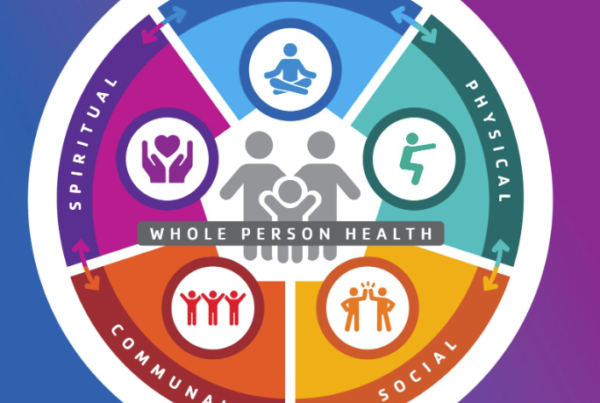
This is one reason integrated care matters. When physical symptoms, sleep, mood, stress, and social functioning are treated as separate problems, important connections can be missed. A whole-person assessment can identify how these factors influence one another and build a realistic plan.
Grief, burnout, life transitions, and environmental barriers
Withdrawal may follow bereavement, divorce, job loss, caregiving strain, relocation, discrimination, conflict, or prolonged stress. Burnout can make even pleasant interaction feel like another demand. Environmental barriers–including limited transportation, unsafe neighborhoods, language differences, financial strain, or lack of accessible spaces–may restrict connection even when a person wants it.
Neurodevelopmental differences and sensory needs should also be considered without pathologizing them. Autistic people and others who experience sensory or social overload may need more recovery time or prefer specific forms of connection. The clinical question is whether the person’s current pattern aligns with their needs and values or is causing distress and impairment.
Medical contributors can sometimes resemble or worsen emotional withdrawal. Sleep disorders, thyroid problems, anemia, infections, hormonal changes, neurological conditions, substance use, and medication effects may influence energy, cognition, or mood. A clinician can decide whether a medical evaluation is appropriate.
When Wanting to Be Alone Becomes a Warning Sign
There is no single number of missed calls or days alone that defines a problem. Look for patterns involving duration, intensity, change, and impact. The more areas of life that are affected, the more important it is to seek support.
Signs that deserve attention
Consider checking in with a health professional when withdrawal lasts for weeks, keeps increasing, or is accompanied by persistent sadness, anxiety, irritability, hopelessness, emotional numbness, or loss of interest. Other meaningful signs include major changes in sleep or appetite, declining hygiene, difficulty concentrating, falling performance at work or school, missed medical appointments, increased alcohol or drug use, and unexplained physical complaints.
Pay particular attention when someone:
- No longer responds to people they trust;
- Stops participating in activities that previously mattered;
- Avoids leaving home because of fear, shame, pain, or low energy;
- Says they feel like a burden or that others would be better without them;
- Appears confused, unusually suspicious, or disconnected from reality;
- Cannot manage basic needs such as food, medication, shelter, or safety.
One sign alone does not establish a diagnosis. Together, however, these changes can show that a person is struggling beyond what rest or willpower can resolve.
When help is urgent
Thoughts of suicide, self-harm, or harming someone else require immediate attention. So do hallucinations, severe confusion, extreme agitation, inability to care for basic needs, or an immediate threat of abuse or violence. In these situations, contact local emergency services or a crisis service in your country, or go to the nearest emergency department. In the United States, call or text 988 for the Suicide & Crisis Lifeline. Do not leave a person alone if you believe there is an immediate danger and it is safe for you to stay.
If you are concerned about someone else, speak calmly and directly. Asking, “Are you thinking about hurting yourself?” does not put the idea in their mind. It can open a path to honest conversation and urgent support.
How to Reconnect and Get the Right Support
Recovery does not require forcing yourself into a crowded room or rebuilding your entire social life at once. Small, repeatable steps are often more sustainable. The goal is meaningful connection at a level that respects your health, preferences, culture, and current capacity.
Start with one manageable point of contact
Choose the safest and least demanding form of connection available. That might be replying to one message, sitting outside with a family member, taking a short walk with a friend, attending a virtual support group, or scheduling a brief phone call. Make the step specific and small enough to repeat.
It may help to tell someone what you need: “I have been having a hard time and may not talk much, but I would appreciate company,” or, “Can we make a plan that I can leave early if my symptoms flare?” Supportive people do not need a perfect explanation. They need a clear way to show up.
Create gentle structure around sleep, meals, movement, medication, and time outdoors when possible. These routines are not a substitute for treatment, but they can reduce the friction involved in daily life. If symptoms make a task feel impossible, shrink it. Five minutes of contact or activity still counts.
Avoid the all-or-nothing trap
Waiting until you feel completely confident, energetic, or cheerful can prolong isolation. Action sometimes comes before motivation. At the same time, pushing far beyond your capacity can lead to exhaustion and reinforce avoidance. Aim for gradual exposure: a low-pressure interaction, followed by recovery time, then another manageable step.
Track what happens before and after withdrawal. Did pain increase? Were you afraid of judgment? Did you sleep poorly? Did a specific environment feel overstimulating? Patterns can help you and your clinician choose targeted strategies rather than relying on generic advice.
How integrated care can help
An integrated care team looks at the whole picture: mental health symptoms, physical health conditions, pain, sleep, medications, substance use, stressors, relationships, and practical barriers. Depending on your needs, support may include a primary care evaluation, psychotherapy, medication management, care coordination, pain management, lifestyle guidance, or connection to community resources.
Evidence-based therapies can help address avoidance, rebuild activity, strengthen coping skills, and examine thoughts that make connection feel threatening or pointless. When medication is appropriate, a qualified prescriber can discuss potential benefits, risks, and follow-up. Treatment should be collaborative and personalized; social withdrawal is a signal to understand, not a character flaw to criticize.
At Sun Integrated Care, the focus is on helping patients move toward a life that feels safer, healthier, and more connected–one practical step at a time. If wanting to be alone has become persistent, painful, or disruptive, consider scheduling an assessment. You do not need to wait until the problem becomes a crisis, and you do not have to explain everything perfectly before asking for help.