

You turn off the light, settle into bed, and hope sleep will come. Instead, your mind begins replaying a conversation from earlier, planning for tomorrow, or imagining everything that could go wrong. Your body is tired, but your thoughts feel wide awake. As the minutes pass, you may start worrying about sleep itself: “If I do not fall asleep soon, how will I function tomorrow?”
When the World Gets Quiet, Anxiety Can Feel Louder
If this feels familiar, you are not failing at rest. Anxiety can make it difficult to sleep because the brain and body may remain prepared for danger even when you are physically safe. That state of heightened alertness—often called hyperarousal—can keep thoughts moving, muscles tense, breathing shallow, and the heart beating faster. Sleep asks the nervous system to let go; anxiety tells it to stay watchful.
The relationship also works in both directions. Anxiety can disrupt sleep, while insufficient or poor-quality sleep can make emotions harder to regulate the next day. Over time, this can create an exhausting cycle: you worry, sleep poorly, feel more emotionally vulnerable, and then worry even more about the next night.
Understanding this cycle through both a mental health and behavioral health lens can make it feel less mysterious—and more manageable. Your sleep difficulty is not “all in your head,” and it is not a character flaw. It is a real mind-body pattern that can respond to compassionate, evidence-informed care.
Mental Health vs. Behavioral Health: What Is the Difference?
The terms mental health and behavioral health are often used interchangeably, but they are not the same.
Mental health describes your emotional, psychological, and social well-being. It includes how you think, feel, cope with stress, relate to others, and make decisions. Anxiety disorders, depression, trauma-related disorders, and other mental health conditions can affect this part of well-being. Occasional worry is a normal human experience; persistent anxiety that is difficult to control and interferes with daily life may need professional evaluation.
Behavioral health is a broader, more action-oriented concept. It looks at how behaviors, habits, emotions, biology, and environment interact to influence overall health. In the context of anxiety and sleep, behavioral health considers not only anxious thoughts but also the routines that may reinforce wakefulness: checking the clock repeatedly, scrolling in bed, drinking caffeine late in the day, avoiding daytime activity because of fatigue, or spending long periods awake in bed trying to force sleep.
This distinction matters because lasting improvement often requires more than addressing one symptom. A mental health approach may help you understand the fears, beliefs, trauma, or ongoing stress behind anxiety. A behavioral health approach may help you change the patterns that keep the nervous system activated and retrain the brain to associate bed with sleep rather than struggle.
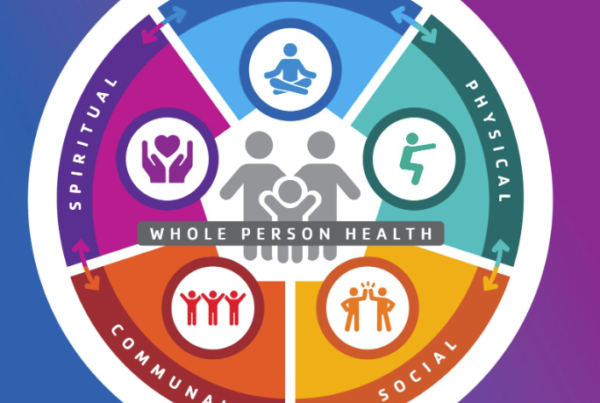
The two approaches are not competitors. They belong together. At Sun Integrated Care, integrated care means seeing the whole person—not separating emotional distress from physical symptoms, daily habits, relationships, medications, or medical conditions. Someone who cannot sleep may be experiencing anxiety, but they may also have chronic pain, sleep apnea, restless legs syndrome, thyroid disease, medication side effects, substance use concerns, or another condition that deserves attention.
Why Anxiety Makes It Difficult to Sleep
Anxiety activates the body’s stress response. When the brain senses a threat—whether the threat is immediate or imagined—it can release stress hormones and prepare the body to respond. This response is useful when you need to act quickly. At bedtime, however, the same protective system can become an obstacle.
Cognitive arousal is one part of the problem. Your mind may race through unfinished tasks, financial concerns, health fears, family responsibilities, or uncertain future events. Because nighttime offers fewer distractions, thoughts that were manageable during the day can feel larger and more urgent. The effort to stop thinking often backfires, making the thoughts feel even more persistent.
Physical arousal can be just as disruptive. Anxiety may bring muscle tension, sweating, gastrointestinal discomfort, trembling, rapid breathing, or a pounding heart. These sensations can make it hard to feel safe enough to drift into sleep. For someone who has experienced a panic attack, normal changes that occur while falling asleep may also be misinterpreted as signs that something is wrong.

Then there is sleep anxiety: fear about not sleeping. After several difficult nights, the bed itself may become associated with frustration, alertness, or dread. You may monitor every sensation, calculate the hours remaining, or go to bed unusually early to “catch up.” Although understandable, these responses can increase time awake in bed and strengthen the association between bedtime and stress.
Different anxiety patterns can affect sleep in different ways. Generalized anxiety may lead to prolonged worry before sleep. Panic disorder can involve fear of nighttime panic attacks. Post-traumatic stress may cause hypervigilance, nightmares, or a reluctance to feel vulnerable while asleep. Social anxiety may replay interactions long after the day ends. Anxiety can also cause early-morning waking, repeated awakenings, or sleep that does not feel restorative—not only difficulty falling asleep.
It is important not to assume anxiety is the only explanation. Loud snoring, gasping during sleep, uncomfortable urges to move the legs, significant pain, medication changes, menopausal symptoms, or major shifts in mood may point to other contributing factors. A thoughtful assessment looks for overlapping causes instead of asking you to simply “relax.”
How to Sleep With Anxiety: Gentle Strategies That Can Help
The goal is not to force anxiety to disappear before you are allowed to sleep. A more realistic goal is to help your nervous system receive repeated signals of safety and predictability.
Begin by creating a consistent rhythm. Try to wake at roughly the same time each day, including after a difficult night. A stable wake time supports the body’s circadian rhythm and helps sleepiness build naturally. If possible, seek morning light and include regular physical movement during the day. These simple daytime behaviors can support nighttime sleep more effectively than an elaborate bedtime routine.
Give worry a place to go before bed. Set aside 10 to 20 minutes in the early evening to write down what is on your mind. Separate concerns you can act on from those you cannot solve tonight, and identify one small next step for tomorrow. This is not about dismissing your worries. It is a way of telling your brain, “I have heard you, and there is a time to return to this.”
Create a brief wind-down period that feels repeatable rather than perfect. Dim the lights, step away from stressful news or work, and choose a quiet activity such as reading, gentle stretching, or listening to calming audio. Relaxation practices—including slow breathing, progressive muscle relaxation, and mindfulness—may reduce arousal, but they work best when approached as practice rather than a test you must pass.

Make the bed a place for sleep. If you remain awake long enough to become frustrated, consider getting up and moving to a dim, quiet space. Return when sleepiness comes back. Avoid watching the clock; knowing the exact time often adds urgency without helping sleep arrive. This principle is part of cognitive behavioral therapy for insomnia, or CBT-I, an evidence-based treatment that helps change thoughts and behaviors that maintain insomnia.
Pay attention to substances and timing. Caffeine can remain active for hours, and nicotine is stimulating. Alcohol may make you feel sleepy initially but can fragment sleep later in the night. Do not start, stop, or change prescription or over-the-counter sleep products without discussing them with a qualified healthcare professional, especially if you take other medications or have medical conditions.
Most importantly, respond to a hard night with kindness. One poor night does not guarantee another. Your body has not forgotten how to sleep. Reducing the struggle around sleep can be an important part of recovery, even when progress is gradual.
When Anxiety and Insomnia Deserve Professional Support
Consider speaking with a healthcare professional when anxiety or sleep problems persist, interfere with work or relationships, affect safety, or cause significant distress. You do not need to wait until you are exhausted or in crisis. Early support can prevent the cycle from becoming more deeply established.
A clinician may ask about your sleep schedule, nighttime symptoms, daytime functioning, medical history, medications, caffeine or alcohol use, and emotional well-being. Keeping a sleep diary for one or two weeks can help reveal patterns. Depending on your symptoms, the next step may include a medical evaluation, behavioral health assessment, psychotherapy, medication review, or testing for a sleep disorder.

Treatment should be individualized. Cognitive behavioral therapy can help identify and reframe anxiety-maintaining thoughts, while CBT-I directly targets patterns that perpetuate insomnia. Acceptance-based therapies, mindfulness-informed care, and relaxation training may also be helpful. Medication may be appropriate for some people, but it should be considered within a broader care plan that weighs benefits, side effects, other health conditions, and personal preferences.
Integrated care is especially valuable when symptoms overlap. Chronic pain can increase nighttime arousal; poor sleep can intensify pain sensitivity; anxiety can amplify both. Addressing only one part of that triangle may leave the others untouched. Coordinated behavioral and medical care helps build a plan around your complete experience.
If nighttime brings thoughts of self-harm, suicide, or feeling unable to stay safe, seek immediate help. In the United States, call or text 988 to reach the Suicide & Crisis Lifeline. If there is immediate danger, call 911 or go to the nearest emergency department.
A Calmer Night Can Begin With One Small Step
Anxiety can make it difficult to sleep, but the cycle is not permanent. Understanding what your nervous system is doing can replace self-blame with curiosity. Small, repeated changes can rebuild trust in bedtime, and professional support can help when anxiety, insomnia, medical symptoms, and daily habits have become tangled together.
You deserve care that sees more than a symptom. Sun Integrated Care takes a whole-person approach to behavioral health, helping patients explore the emotional, behavioral, and physical factors that may be affecting sleep and quality of life. If anxiety is keeping you awake, reaching out for an evaluation can be a gentle first step toward nights that feel safer and days that feel more manageable.
Frequently Asked Questions
Can anxiety cause insomnia?
Yes. Anxiety can increase mental and physical arousal, making it harder to fall asleep, stay asleep, or return to sleep after waking. Insomnia can also heighten emotional reactivity, so the two conditions may reinforce each other.
Why does my anxiety get worse at night?
At night, there are often fewer distractions and more space for unresolved thoughts to surface. Fatigue can also make it harder to regulate emotions. If your bed has become associated with worry about sleep, simply lying down may trigger alertness.
Is behavioral health the same as mental health?
Mental health focuses on emotional, psychological, and social well-being. Behavioral health includes mental health while also examining behaviors, habits, substance use, physical health, and environmental factors that shape well-being.
What is the best treatment for anxiety-related insomnia?
There is no single plan for everyone. CBT-I is a first-line behavioral treatment for chronic insomnia, while psychotherapy and, when appropriate, medication can address anxiety. A clinician can evaluate other possible contributors and recommend a personalized plan.
How long should I wait before seeking help?
Seek support whenever symptoms are distressing or affecting daily life. It is especially important to talk with a professional if sleep difficulty occurs regularly, lasts for weeks, worsens, or comes with panic, depression, safety concerns, loud snoring, gasping, severe daytime sleepiness, or other physical symptoms.\
Sources
National Institute of Mental Health — Anxiety Disorders
National Heart, Lung, and Blood Institute — What Is Insomnia?
National Heart, Lung, and Blood Institute — Insomnia Treatment
Centers for Disease Control and Prevention — About Sleep
Substance Abuse and Mental Health Services Administration — What Is Mental Health?
Medical disclaimer: This article is for educational purposes only and is not a substitute for professional medical advice, diagnosis, or treatment.