
Have you ever felt emotionally exhausted for weeks but told yourself, “I’m just stressed”? Or maybe you’ve noticed changes in your sleep, your eating habits, or your ability to enjoy things you once loved–but assumed it would eventually pass.
These experiences are more common than many people realize. Yet millions of people delay seeking help because they aren’t sure whether what they’re experiencing is simply part of everyday life or a sign that something deeper deserves attention.
What Is Behavioral Health?
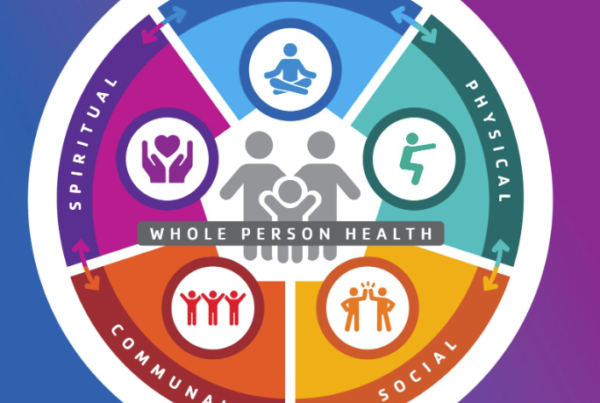
One term that often comes up in these conversations is behavioral health. While it may sound similar to mental health, behavioral health is actually a broader concept that looks at how our emotions, behaviors, lifestyle habits, and physical health all work together to shape our overall well-being.
Understanding behavioral health is more than learning another healthcare term. It is about recognizing that your thoughts, emotions, behaviors, and relationships all influence your quality of life–and that support is available when any part of that balance begins to feel overwhelming.
In this guide, we’ll explore what behavioral health really means, why it matters, common conditions it includes, and how integrated care can help people build healthier, more fulfilling lives.
Behavioral Health Is More Than Mental Health
Behavioral health is often misunderstood as simply another way of saying mental health. Although the two are closely connected, they are not the same.
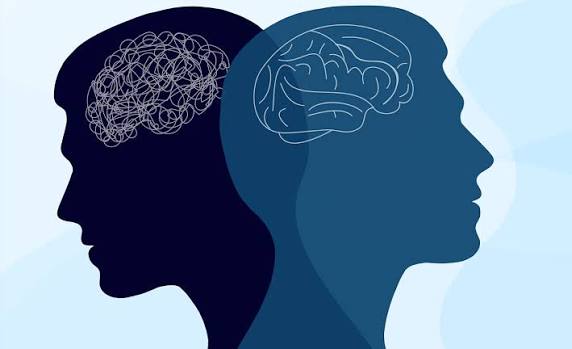
Mental health primarily refers to a person’s emotional, psychological, and cognitive well-being. It influences how we think, process emotions, cope with stress, and interact with others. Behavioral health takes a broader view. It considers how our behaviors, daily habits, emotional health, and physical wellness influence one another over time.

For example, someone experiencing chronic anxiety may begin sleeping poorly, avoid social interactions, struggle at work, and develop unhealthy coping habits. These behavioral changes can eventually affect physical health, relationships, and overall quality of life.
Likewise, chronic medical conditions such as diabetes, chronic pain, or heart disease can significantly increase the risk of depression or anxiety. Emotional distress and physical illness often reinforce each other in ways that are impossible to separate.
This is why modern healthcare increasingly emphasizes integrated behavioral health, where emotional, behavioral, and physical health are treated together rather than as isolated problems. Behavioral health recognizes that every aspect of wellness is connected. When one area suffers, others often follow.
Why the Difference Between Behavioral Health and Mental Health Matters
Understanding the distinction between behavioral health and mental health is important because it changes the way we approach care.
Imagine someone who has been experiencing panic attacks for several months. At first, they may only notice feelings of fear or worry. Over time, however, they might begin avoiding social events, calling in sick to work more often, sleeping poorly, or relying on alcohol to cope with overwhelming emotions. Eventually, those behavioral changes can affect their physical health, relationships, financial stability, and overall quality of life.

If treatment focused only on reducing anxiety symptoms without addressing these patterns, recovery would likely remain incomplete.
Behavioral health care recognizes that healing isn’t only about reducing emotional distress. It also involves helping people build healthier routines, strengthen coping skills, improve communication, restore relationships, and develop habits that support long-term well-being.
This whole-person approach is one reason integrated behavioral health has become an increasingly important part of modern healthcare. Instead of viewing emotional health and physical health as separate systems, providers recognize that they constantly influence one another.
What Conditions Fall Under Behavioral Health?
Behavioral health covers a wide range of conditions and life challenges–not just psychiatric disorders.
Many people seek behavioral health support because they are navigating prolonged stress, major life transitions, grief, or emotional difficulties that interfere with daily functioning.
Common behavioral health conditions include anxiety disorders, depression, post-traumatic stress disorder (PTSD), bipolar disorder, obsessive-compulsive disorder (OCD), attention-deficit/hyperactivity disorder (ADHD), and substance use disorders.
However, behavioral health professionals also help people experiencing issues that may not meet the criteria for a formal diagnosis.
- Someone caring for an aging parent may experience caregiver burnout:
- A college student may struggle with overwhelming anxiety before exams.
- A new parent may notice persistent sadness after childbirth.
- An employee may feel emotionally drained after months of workplace stress.
These situations deserve attention just as much as diagnosed mental health conditions because emotional suffering exists on a spectrum. Early support can often prevent symptoms from becoming more severe.
Behavioral health also focuses on improving behaviors that support long-term wellness, including:
- Building healthier coping strategies
- Improving sleep habits
- Managing stress
- Strengthening communication skills
- Developing emotional resilience
- Creating sustainable self-care routines
Rather than asking, “What’s wrong with you?” behavioral health asks a more compassionate question: “What has been happening in your life, and how can we help you move forward?” That shift in perspective helps reduce stigma and encourages people to seek help sooner.
Why Behavioral Health Matters More Than Ever
Life today moves faster than ever before. Many people balance demanding careers, financial pressures, family responsibilities, constant digital connectivity, and ongoing uncertainty. Even individuals who appear successful on the outside may quietly struggle with emotional exhaustion.
Unfortunately, many people still believe they should simply “push through.” Over time, however, untreated behavioral health concerns rarely disappear on their own. Instead, they often affect nearly every aspect of daily life.
Concentration becomes more difficult. Sleep becomes lighter or disappears altogether. Relationships begin to feel strained. Physical symptoms such as headaches, muscle tension, digestive issues, or fatigue become more common. Work performance declines. Motivation fades. Even activities that once brought happiness may no longer feel enjoyable.
Research consistently shows that early behavioral health intervention leads to better outcomes. Addressing concerns early can improve emotional well-being, reduce physical symptoms related to chronic stress, strengthen relationships, and help people return to activities they value.

Seeking professional support should never be viewed as a last resort. Just as we schedule routine checkups for our physical health, our emotional well-being deserves the same level of care and attention.
There is no shame in asking for help. In fact, recognizing when you need support is often one of the strongest decisions you can make.
The Hidden Cost of Ignoring Emotional Wellness
Many people become so accustomed to living under constant stress that they begin believing it is simply part of adulthood.
They continue meeting deadlines, caring for their families, and showing up for others while quietly ignoring their own emotional needs. From the outside, everything appears fine. Inside, however, they may be running on empty. Over time, chronic stress can affect far more than mood. It may weaken concentration, reduce productivity, disrupt sleep, increase physical tension, and even contribute to long-term health concerns through persistent activation of the body’s stress response.
Perhaps even more concerning is that emotional struggles often become invisible—not only to others, but to the person experiencing them. Many people don’t realize how much anxiety, depression, or burnout has changed their lives until they begin feeling better. Only then do they notice how much energy was being spent simply trying to get through each day.
This is why behavioral health care isn’t only about treating illness. It’s about preserving quality of life, strengthening resilience, and helping people feel engaged in their lives again rather than merely surviving them.
How Integrated Behavioral Health Care Helps You Thrive
Behavioral health treatment is not about changing who you are. It is about helping you reconnect with the healthiest version of yourself. Integrated behavioral health care recognizes that every person’s experiences, strengths, and challenges are unique. Treatment plans are personalized rather than one-size-fits-all.
Depending on individual needs, care may include psychotherapy, psychiatric evaluation, medication management, stress management techniques, mindfulness-based interventions, lifestyle counseling, or coordinated care alongside primary healthcare providers.
The goal is not simply symptom reduction. It is helping people regain confidence, rebuild meaningful relationships, improve daily functioning, and experience greater emotional balance.
Healing rarely happens overnight. Some days will feel easier than others. Progress is often measured not by perfection but by small, meaningful moments–a better night’s sleep, having energy to spend time with family, feeling less overwhelmed at work, or finding joy in everyday life again. These small victories matter because they build lasting change.
At Sun Integrated Care, we believe every individual deserves compassionate, evidence-based care delivered in a safe and supportive environment. Our team works alongside patients to understand the full picture of their health–not only their symptoms, but also their goals, experiences, and the life they want to create.
No one should have to face emotional challenges alone. Whether you’re experiencing anxiety, depression, overwhelming stress, or simply feel that something isn’t quite right, reaching out for support can be the first step toward healing.
Because your mental health is a priority, your happiness is essential. And your self-care is never something you have to earn.
Frequently Asked Questions
1/ Is behavioral health the same as mental health?
Not exactly. Mental health focuses on emotional and psychological well-being, while behavioral health also considers behaviors, habits, lifestyle factors, and how they interact with both mental and physical health.
2/ What does a behavioral health provider do?
A behavioral health provider evaluates emotional, psychological, and behavioral concerns and develops personalized treatment plans that may include therapy, medication management, lifestyle interventions, or coordinated care with other healthcare professionals.
3/ When should I seek behavioral health care?
Consider seeking professional support if emotional distress, anxiety, depression, stress, or behavioral changes begin interfering with your relationships, work, sleep, physical health, or overall quality of life.
4/ Can behavioral health treatment help even if I don’t have a diagnosis?
Yes. Many people benefit from behavioral health services while navigating stress, grief, burnout, relationship difficulties, or major life transitions, even without a formal mental health diagnosis.