

What Is a Mental Health Treatment Plan?
When someone decides to seek help for their mental health, one of the first questions they may have is: “What will my treatment look like?”
It is a natural question. You may wonder whether you will need therapy, medication, lifestyle changes, or some combination of different approaches. You may also worry that your treatment will feel like a standard formula designed for everyone with the same diagnosis.
In reality, effective mental health care is rarely one-size-fits-all. A mental health treatment plan is a personalized roadmap designed to address an individual’s symptoms, needs, circumstances, strengths, and goals. Rather than simply treating a diagnosis, a provider looks at the person behind the diagnosis and considers the many factors that may influence their mental and emotional well-being.
Two people can experience the same condition and still need very different approaches to treatment. For example, two individuals may both experience anxiety. One may primarily struggle with panic attacks and avoidance, while another may experience persistent worry, insomnia, and difficulty concentrating at work. Their symptoms, triggers, coping mechanisms, medical histories, and personal goals may all be different. Naturally, their treatment plans may look different too.
Personalized mental health care recognizes these differences. The goal is not simply to reduce symptoms. It is to help each person develop a realistic path toward improved functioning, emotional stability, healthier relationships, and a better quality of life.
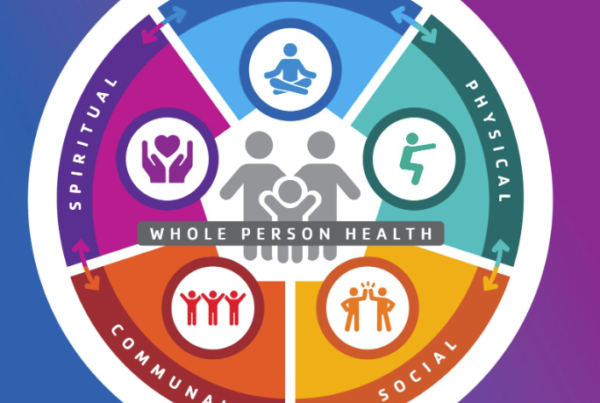
At Sun Integrated Care, this whole-person perspective is central to compassionate behavioral health care. Treatment begins by understanding your individual experience–not by making assumptions about who you are or what you need.
What Factors Shape a Personalized Mental Health Treatment Plan?
Creating an individualized treatment plan starts with understanding the complete picture. A mental health provider typically considers much more than symptoms or diagnosis. Your treatment plan may evolve based on your medical history, mental health history, current symptoms, lifestyle, relationships, environment, previous treatment experiences, and personal goals.
Your Symptoms and Mental Health History
Your current symptoms are an important starting point. A provider may explore when your symptoms began, how frequently they occur, what makes them better or worse, and how they affect your daily life. They may also ask about previous episodes, past diagnoses, or treatments you have tried.
This information helps providers understand not only what you are experiencing but also how your experience has changed over time. Someone experiencing mild symptoms for a few weeks may need a different approach from someone who has been struggling with persistent symptoms for several years.
Your Physical Health and Medical History
Mental and physical health are deeply connected. Certain medical conditions can influence mood, sleep, energy levels, concentration, or emotional regulation. Medications used to treat physical conditions may also affect mental health symptoms.

For this reason, a comprehensive mental health assessment may include questions about your physical health, current medications, sleep, substance use, and other relevant health factors. Understanding these connections helps providers make safer and more informed treatment decisions.
Your Daily Life and Environment
Your environment can have a significant impact on your mental health. Work demands, family responsibilities, financial stress, relationships, caregiving responsibilities, social support, and major life transitions may all influence how you feel and function.
Imagine someone experiencing anxiety while working in an extremely demanding environment and caring for a family member at home. Treating symptoms without understanding these circumstances may only address part of the problem. Personalized care considers the reality of your everyday life and identifies strategies that are realistic within that context.
Your Personal Goals
Perhaps the most important part of a treatment plan is understanding what you want your life to look like. Your goal may not simply be “to feel less anxious.”
Maybe you want to sleep through the night again. Maybe you want enough energy to spend time with your children. Perhaps you want to feel comfortable attending social events, return to work with greater confidence, or simply enjoy your daily life again. These goals can help shape the direction of treatment. Mental health care should not only focus on what needs to change. It should also focus on what you hope to regain, protect, or build.
What Can a Personalized Mental Health Treatment Plan Include?
There is no single treatment approach that works for everyone. Depending on an individual’s needs, a personalized mental health treatment plan may include one or several forms of care.
Psychotherapy and Counseling
Psychotherapy, often called talk therapy, can help people better understand their thoughts, emotions, behaviors, and patterns of coping. Different therapeutic approaches may be appropriate for different concerns. Cognitive behavioral therapy (CBT), for example, focuses on identifying unhelpful thought and behavior patterns and developing healthier ways to respond.
Other therapeutic approaches may be useful depending on a person’s symptoms, history, relationships, and treatment goals. The important point is that therapy is not simply about talking through problems. It can provide practical tools for managing emotions, changing patterns, improving communication, processing difficult experiences, and developing healthier coping strategies.
Medication Management
For some individuals, medication may be an important part of treatment. Psychiatric medications can help manage symptoms associated with conditions such as depression, anxiety disorders, bipolar disorder, ADHD, and other mental health conditions.

However, medication is not automatically the right choice for everyone. When medication is considered, a provider may evaluate factors such as symptoms, medical history, current medications, previous treatment response, potential side effects, and individual preferences. Medication management is also an ongoing process. A treatment plan may need to be adjusted over time depending on how a person responds.
Lifestyle and Behavioral Strategies
Mental health treatment can extend beyond clinical interventions. Sleep, physical activity, nutrition, stress management, social connection, and daily routines can all play a role in emotional well-being. This does not mean lifestyle changes can replace professional treatment when treatment is needed. Rather, healthy behaviors can complement clinical care and support overall wellness.
For example, someone experiencing chronic stress may benefit from learning relaxation techniques, establishing a more consistent sleep routine, setting healthier boundaries, and developing strategies for managing overwhelming responsibilities. Small changes can become meaningful when they are realistic and sustainable.
Coordinated or Integrated Care
Sometimes mental health concerns exist alongside physical health conditions or other behavioral health needs. In these situations, coordinated care can be especially valuable.
Integrated behavioral health recognizes that mental, physical, and behavioral health are interconnected. Depending on the individual’s needs, mental health providers may coordinate care with other healthcare professionals to support a more complete approach. The goal is to avoid treating each concern in isolation and instead consider how different aspects of a person’s health influence one another.
Why Personalized Mental Health Care Matters
A treatment plan can be clinically appropriate and still fail if it does not fit the person receiving it. Imagine being given recommendations that do not align with your schedule, values, responsibilities, or preferences. Even the most evidence-based approach can be difficult to follow if it does not make sense for your life.
Personalized mental health treatment helps bridge that gap. It recognizes that successful care involves more than identifying symptoms. It requires collaboration between the provider and the individual receiving care.
Treatment Should Adapt as You Do
Your mental health is not static. Symptoms can change. Circumstances can change. Your priorities can change. A strategy that was helpful six months ago may no longer be what you need today. For this reason, a mental health treatment plan should not necessarily remain unchanged forever.
Providers may monitor symptoms, treatment response, side effects, functioning, and progress toward personal goals. Based on this information, they can determine whether the current approach should continue or be adjusted. This flexibility is an important part of effective care.
You Are Part of the Treatment Process
Personalized care also means that you have a voice in your treatment. You should feel comfortable asking questions, discussing concerns, sharing what is or is not working, and talking about your preferences. Mental health treatment is not something that should simply happen to you. It is something you can participate in.
A strong provider-patient relationship creates space for honest conversations. If a treatment approach feels difficult, uncomfortable, or unrealistic, discussing those concerns allows your provider to better understand your experience and consider appropriate adjustments. That collaborative relationship can make treatment feel less overwhelming and more empowering.
Progress Is More Than a Symptom Score
Mental health improvement does not always happen in a straight line. Sometimes progress looks like fewer panic attacks or improved mood. Other times, it may be getting out of bed more easily, reconnecting with a friend, sleeping better, returning to work, or having enough emotional energy to enjoy time with family.
These changes may seem small, but they can represent meaningful improvements in daily functioning and quality of life. A personalized treatment plan should take these goals into account. The purpose of mental health care is not to create a perfect version of you. It is to help you move toward a life that feels more manageable, meaningful, and aligned with what matters to you.
What to Expect When Starting Mental Health Treatment
For someone considering professional support for the first time, making an appointment can feel intimidating. You may wonder what you will be asked, whether you will be judged, or whether your concerns are “serious enough” to deserve help.
These feelings are understandable. An initial mental health appointment is typically an opportunity for your provider to learn about you and understand what brought you to care. You may discuss your symptoms, medical and mental health history, current medications, lifestyle, relationships, challenges, and goals.
Depending on your situation, your provider may also use screening tools or other assessments to better understand your symptoms. From there, you can begin discussing appropriate treatment options. You do not necessarily need to have everything figured out before your first appointment. You do not need to know your diagnosis. And you certainly do not need to have the “right” words to describe how you feel. Sometimes, simply saying “I haven’t felt like myself lately, and I don’t know why” is enough to start the conversation. That first conversation can become the foundation for a personalized plan built around your needs.
Your Mental Health Journey Is Personal. Your Care Should Be, Too.
There is no single definition of what mental wellness looks like. For one person, it may mean managing anxiety well enough to enjoy social situations again. For another, it may mean finding stability after a difficult period, improving sleep, strengthening relationships, or simply feeling more like themselves.
Your experiences are unique. Your circumstances are unique. Your goals are unique. Your mental health treatment should reflect that.
At Sun Integrated Care, we believe meaningful care begins with listening. Our approach is centered on understanding the whole person–not just a diagnosis or a list of symptoms. Through compassionate, evidence-based behavioral health care, we work with individuals to develop treatment approaches that reflect their needs, goals, and circumstances.
You don’t have to know exactly what kind of help you need before reaching out. Sometimes, the first step is simply having a conversation.
Your mental health is a priority. Your happiness is essential. Your self-care is a necessity. If you’ve been struggling with your mental health or simply feel that something has changed, you don’t have to figure it out alone. Contact Sun Integrated Care today to learn more about personalized mental health and behavioral health services and take the first step toward care designed with you–not just for you