

Everyone has days when patience feels thin. A delayed reply, a noisy room, or one more request can suddenly feel like too much. Irritability is a normal human emotion, especially when you are tired, hungry, overwhelmed, or under pressure. But when the feeling becomes frequent, intense, difficult to control, or unlike your usual self, it may be communicating something deeper.
So, can irritability be a sign of a mental health concern? Yes—but irritability alone does not point to one specific diagnosis. It can appear alongside anxiety, depression, trauma-related stress, substance use concerns, and other emotional or behavioral health conditions. It can also be connected to sleep loss, pain, hormonal changes, medication effects, or an underlying medical issue.
For many people, irritability is easier to notice than sadness, fear, or emotional exhaustion. You may not think, “I am struggling.” Instead, you may find yourself snapping at people you love, feeling overstimulated by ordinary sounds, becoming impatient with small mistakes, or needing to withdraw before you say something you regret. Recognizing this pattern is not about blaming yourself. It is an opportunity to listen to what your mind and body may be asking for.
What Irritability Really Means and When It Becomes a Concern
Irritability is a state of increased sensitivity to frustration. When you are irritable, your threshold for discomfort may be lower than usual. Events that you would normally manage calmly can feel intrusive, unfair, or impossible to tolerate. Irritability may show up internally as tension, restlessness, racing thoughts, or a sense of being “on edge.” Externally, it may look like impatience, criticism, angry outbursts, avoidance, or conflict.

Occasional irritability is not necessarily a mental health symptom. It is often a short-term response to circumstances such as insufficient sleep, a demanding day, hunger, sensory overload, grief, illness, or unresolved conflict. In these situations, the feeling usually eases after the need is addressed or the stressor passes.
Persistent irritability deserves closer attention when it lasts for days or weeks, returns repeatedly without a clear explanation, feels disproportionate to what is happening, or begins to affect relationships, work, school, sleep, or daily responsibilities. A meaningful change from your usual temperament matters too. If you are typically patient but suddenly feel angry much of the time, that shift may be worth discussing with a health care professional.
The pattern around the emotion often tells us more than the emotion alone. Consider when it begins, what seems to trigger it, how long it lasts, and what accompanies it. Changes in sleep, appetite, energy, concentration, motivation, worry, substance use, physical symptoms, or interest in activities can provide important context.
It is also helpful to separate irritability from aggression. Irritability is an emotional state; aggression is behavior intended to harm, threaten, or intimidate. Feeling irritable does not make someone dangerous or “bad.” Still, if anger is leading to threats, unsafe behavior, property damage, or fear within a relationship, immediate support and a safety plan are important.
Mental Health Concerns That May Include Irritability
Irritability can accompany several mental health conditions because many of them affect emotional regulation, sleep, energy, attention, and the nervous system’s response to stress. Only a qualified professional can evaluate the full pattern and determine whether a diagnosis applies.
Anxiety may not always feel like obvious fear. For some people, it feels like constantly bracing for the next problem. When the mind is scanning for danger, managing repeated “what if” thoughts, or trying to control uncertainty, there may be little emotional capacity left for interruptions. Irritability is one of the symptoms that can occur with generalized anxiety disorder, along with excessive worry, restlessness, fatigue, difficulty concentrating, muscle tension, and sleep problems. The National Institute of Mental Health notes that anxiety symptoms can interfere with work, school, relationships, and routine activities.
Depression is often associated with sadness, but it can also include frustration, restlessness, angry reactions, or a shorter temper. A person may feel emotionally numb or exhausted rather than tearful. Irritability becomes more concerning when it appears with loss of interest or pleasure, low energy, hopelessness, guilt, changes in appetite or sleep, difficulty concentrating, or thoughts of death or suicide. The National Institute of Mental Health includes irritability and frustration among the common signs of depression.

Trauma-related stress can keep the nervous system in a state of heightened alert. A sudden sound, unexpected touch, disagreement, or feeling of lost control may trigger a reaction that seems larger than the present moment because the brain is responding to a sense of danger. Irritability may occur alongside nightmares, unwanted memories, avoidance, emotional detachment, exaggerated startle responses, or difficulty sleeping.
Bipolar disorders can involve irritability during depressive, manic, hypomanic, or mixed episodes. Irritability alone does not mean someone has bipolar disorder. Clinicians look for distinct changes in mood and energy, such as little need for sleep, racing thoughts, rapid speech, unusual energy, or impulsive decisions. A careful assessment is essential.
Substance use and withdrawal can also influence mood. Alcohol, cannabis, stimulants, nicotine, sedatives, and other substances may temporarily change emotional responses, while intoxication, reduced use, or withdrawal may increase agitation or irritability. Medication changes can have effects as well. Do not stop a prescribed medication abruptly; speak with the prescribing professional about new or worsening symptoms.
Not Every Cause Is Psychological: Looking at the Whole Person
Mental and physical health are deeply connected, and irritability should not automatically be labeled as a mental health disorder. Sleep deprivation is one of the most common contributors. When the brain has not had enough restorative sleep, attention, impulse control, and emotional regulation become harder. Chronic pain can have a similar effect by keeping the body under ongoing strain.
Changes in blood sugar, thyroid function, hormones, or neurological health may affect mood. Premenstrual symptoms, premenstrual dysphoric disorder, pregnancy, the postpartum period, and perimenopause can include significant emotional changes for some people. In addition, infections, nutritional deficiencies, medication side effects, and interactions between medications may contribute.

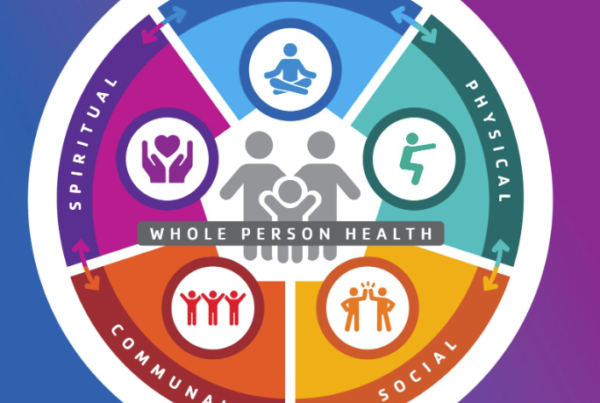
This is why integrated care matters. A thoughtful evaluation considers the whole person rather than assuming every symptom has a single cause. A provider may ask about medical history, current medications and supplements, sleep, pain, menstrual or hormonal patterns, caffeine and substance use, recent life changes, and family history. Depending on the situation, a physical examination or laboratory testing may be appropriate.
Irritability may also be a signal of overload rather than illness. Caregiving, discrimination, financial pressure, chronic workplace stress, loneliness, relationship conflict, or living without enough time to recover can gradually narrow a person’s window of tolerance. You might be functioning on the outside while using nearly all your energy simply to get through the day.
Try to approach the feeling with curiosity: “What was happening before I became irritable?” “What need has gone unmet?” and “What else have I noticed in my body, thoughts, or behavior?” This does not excuse hurtful actions, but it can help you respond more effectively than shame can.
What to Do When Irritability Is Affecting Your Life
Begin with the basics, especially if the irritability is mild and recent. Regular meals, hydration, movement, consistent sleep, and brief periods away from noise or screens can support emotional regulation. Slow breathing, grounding through the senses, or stepping away from a tense conversation may help the nervous system settle enough for you to choose your next response.
Professional help may be appropriate when irritability is persistent, worsening, difficult to control, or causing distress. Consider reaching out if it is disrupting sleep, work, school, parenting, or relationships; if you are withdrawing from others; if you rely on substances to cope; or if it appears with strong anxiety, low mood, hopelessness, unusual energy, impulsivity, or major changes in functioning. The Substance Abuse and Mental Health Services Administration lists feeling much more angry or irritated than usual among the signs that someone may need help.
A behavioral health assessment is not a test you can fail. It is a conversation designed to understand the pattern, rule out contributing factors, and identify support that fits your needs. Treatment depends on the cause and may include psychotherapy, medication management, sleep support, stress-management strategies, substance use treatment, medical care, or a combination of approaches. You and your provider can review benefits, risks, preferences, and goals together.
At Sun Integrated Care, we understand that emotional distress does not always arrive looking like sadness. Sometimes it sounds like a raised voice, feels like constant tension, or appears as the need to be alone. Our integrated approach considers emotional, behavioral, and physical factors so that care can be personal, compassionate, and grounded in your life—not just a symptom list.