

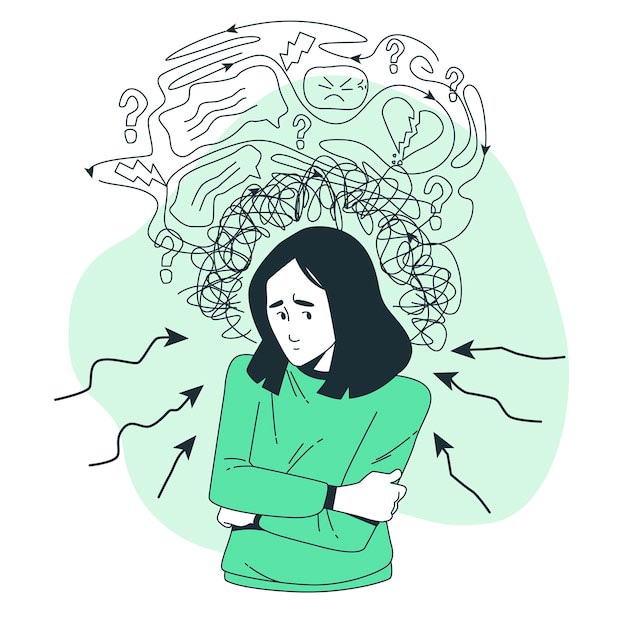
Anxiety does not always arrive as a racing heart, shaking hands, or obvious panic. Sometimes it looks like answering every message immediately because waiting feels unbearable. It can sound like “I’m just tired,” “I need to be more prepared,” or “That is simply how I am.” It may hide inside a busy schedule, a calm appearance, or a reputation for always having everything under control.
Why Anxiety Can Be Hard to Recognize
Many people continue working, caring for others, and meeting deadlines while their nervous system remains in a near-constant state of alert. From the outside, they may seem organized or driven. Inside, they may be rehearsing every possible outcome, monitoring other people’s reactions, or feeling unable to rest without guilt.
Anxiety is a normal response to uncertainty or perceived danger. But when worry becomes difficult to control or begins to affect sleep, health, relationships, work, or daily choices, it may be more than everyday stress. The National Institute of Mental Health notes that generalized anxiety disorder can involve irritability, concentration problems, sleep disturbance, fatigue, muscle tension, headaches, stomachaches, sweating, lightheadedness, and shortness of breath—not only fear or worry.
Recognizing these quieter signs is not about labeling every uncomfortable feeling as a disorder. It is about noticing patterns with compassion. A symptom is information, not a personal failure.
12 Subtle Signs of Anxiety You May Be Missing
1. Irritability that feels out of character
Anxiety can shorten your emotional fuse. When the nervous system is already scanning for problems, a small interruption or change of plan may feel much bigger than usual. You may become impatient and then feel guilty afterward. Irritability is sometimes the surface expression of feeling overwhelmed, unsafe, or mentally exhausted.
2. Constant overplanning
Planning can be healthy. With anxiety, preparation may become an attempt to remove every uncertainty. You might research a simple decision for hours, create multiple backup plans, arrive excessively early, or feel distressed when others are less prepared. Because complete certainty is rarely possible, the relief does not last.
3. Perfectionism driven by fear
Perfectionism is often praised, making it one of the more hidden signs of anxiety. Healthy ambition can feel purposeful and flexible. Anxiety-driven perfectionism feels urgent and punishing. A minor mistake may seem like proof that you are incompetent or disappointing. You may repeatedly check your work or delay finishing because it never feels good enough.
4. Procrastination or avoidance
Anxiety does not always make people work harder; it can make starting feel impossible. When a task carries the possibility of failure, criticism, conflict, or uncertainty, avoiding it brings brief relief. You may postpone opening an email, making an appointment, or beginning a project. This is not necessarily laziness, but the unfinished task often creates more anxiety later.
5. Repeatedly seeking reassurance
Asking for perspective is normal. Repeatedly asking “Are you sure?”, rereading messages for hidden meaning, checking symptoms online, or needing confirmation that nothing is wrong may signal anxiety. Reassurance may calm fear briefly, but the doubt often returns and teaches the brain that uncertainty is dangerous.
6. Trouble concentrating or remembering
Part of an anxious mind’s attention is always assigned to threat detection. You might reread the same paragraph, lose your train of thought, or struggle with small decisions. Stress, poor sleep, medication effects, depression, ADHD, hormonal changes, and medical conditions can also affect concentration, so persistent changes deserve a thoughtful evaluation.
7. Muscle tension, headaches, or jaw pain
The body can hold anxiety even when the mind does not feel consciously worried. Tight shoulders, a stiff neck, tension headaches, jaw clenching, or teeth grinding may reflect prolonged physical readiness. Because pain has many causes, new, severe, or persistent symptoms should not automatically be attributed to anxiety.
8. Digestive discomfort
The brain and digestive system communicate through the gut-brain connection. Stress can contribute to nausea, stomach cramps, appetite changes, diarrhea, constipation, indigestion, or frequent bathroom trips. These physical symptoms of anxiety are real, but recurring or concerning changes should still be discussed with a healthcare professional.
9. Fatigue that does not match your activity
Being on guard is exhausting. Hours of worrying, monitoring, suppressing emotions, or preparing for problems can leave you depleted. Anxiety may also interfere with restorative sleep, creating a cycle in which fatigue reduces your ability to cope and feeling less able to cope increases anxiety.
10. Feeling restless but unable to relax
Restlessness may look like tapping a foot, constantly switching tasks, or feeling uncomfortable during quiet moments. You may want to rest but find yourself reaching for your phone, cleaning, or working. Busyness can become a way to avoid uncomfortable thoughts or sensations.
11. Quietly pulling away
Avoidance may begin with small choices: declining invitations, choosing only familiar routes, remaining silent in meetings, or asking someone else to handle calls. The pattern becomes important when your world gradually narrows around what feels safest. Social withdrawal can also accompany depression, burnout, trauma, or chronic illness, so context matters.
12. Feeling detached or “not fully there”
Intense stress or panic can sometimes bring a sense of detachment from yourself or your surroundings. This may feel like moving through a dream or watching yourself from a distance. Depersonalization and derealization can be unsettling and have several possible causes, so recurrent episodes should be discussed with a qualified clinician.
When Anxiety Symptoms Deserve a Closer Look
Everyone experiences worry, irritability, tension, or poor sleep at times. A single symptom does not establish an anxiety disorder. What matters is the pattern: how often symptoms occur, how long they last, what triggers them, and whether they interfere with the life you want to live.
Consider professional support when worry feels difficult to control; when you avoid important responsibilities, places, or relationships; when physical symptoms keep returning without a clear explanation; or when sleep, appetite, concentration, work, or daily functioning have changed. SAMHSA notes that persistent changes in thoughts, mood, or the body that make it hard to manage home, school, work, or relationships may signal a need for support.

Do not self-diagnose physical symptoms. Chest pain, fainting, severe shortness of breath, sudden confusion, new neurological symptoms, or other acute changes require prompt medical attention. Anxiety can cause powerful sensations, but a clinician may need to rule out heart, thyroid, respiratory, medication-related, hormonal, gastrointestinal, sleep, or other medical contributors.
A useful first step is to keep a brief record for one or two weeks. Note what you experienced, what happened beforehand, how long it lasted, and what helped. The goal is not constant monitoring; it is to identify broad patterns you can share with a healthcare professional.
If you are experiencing thoughts of suicide, self-harm, or feeling unable to stay safe, seek immediate support. In the United States, call or text 988. Call 911 or go to the nearest emergency department if there is immediate danger.
How Integrated Care Can Help You Feel Like Yourself Again
Anxiety rarely fits neatly into one box. Emotional stress can affect sleep and digestion. Chronic pain or illness can increase worry. Medication side effects may resemble anxiety. Substance use may begin as an attempt to cope and then make symptoms harder to manage. Integrated care considers mental health, physical health, daily behavior, environment, and personal goals together.
An evaluation may include questions about symptoms, medical history, sleep, medications, caffeine or alcohol use, recent life changes, and daily functioning. Depending on your needs, care may involve psychotherapy, behavioral strategies, medication management, coordination with another provider, or a combination of approaches.
Cognitive behavioral therapy, or CBT, can help people understand the connection between thoughts, emotions, physical sensations, and behaviors. Other approaches may include acceptance-based therapy, mindfulness-informed care, trauma-informed treatment, relaxation skills, or gradual exposure to feared situations. Treatment should be personalized; there is no single plan for everyone.
Supportive habits can also matter. Consistent sleep and wake times, regular meals, movement, reduced caffeine, and intentional rest may help the nervous system become less reactive. They are not substitutes for treatment, and struggling to maintain them is not a failure. When anxiety feels heavy, even one small action—naming a symptom, sending a message, or scheduling an appointment—can be meaningful progress.
A Gentle Next Step
If you recognized yourself here, pause before turning that recognition into another reason for self-criticism. The habits that now feel exhausting may have developed because your mind and body were trying to protect you. With the right support, those patterns can change.
Sun Integrated Care provides compassionate, whole-person behavioral healthcare centered on the connection between emotional and physical well-being. If subtle anxiety symptoms are affecting your quality of life, speaking with a qualified provider can help you understand what is happening and identify a path forward—one manageable step at a time.
Frequently Asked Questions
Can you have anxiety without feeling anxious?
Yes. Some people notice physical or behavioral changes before recognizing worry or fear. Muscle tension, digestive discomfort, irritability, overplanning, avoidance, fatigue, and concentration problems may occur even when someone does not describe themselves as anxious.
What are the most overlooked physical symptoms of anxiety?
Often-missed symptoms include headaches, jaw clenching, muscle aches, nausea, bowel changes, dizziness, sweating, fatigue, and frequent bathroom trips. Because these can also have medical causes, persistent or severe symptoms should be evaluated.
Is high-functioning anxiety a medical diagnosis?
No. “High-functioning anxiety” is a common phrase, not a formal clinical diagnosis. It usually describes someone who appears capable and productive while experiencing significant internal worry, perfectionism, tension, or fear. A licensed professional can determine whether symptoms meet criteria for an anxiety disorder or another condition.
When should I seek help for anxiety?
Seek help when symptoms persist, feel difficult to control, cause significant distress, or interfere with sleep, work, health, relationships, or daily decisions. You do not have to wait until anxiety becomes a crisis. Asking for support is a proactive health decision.